 Horn und Tusk
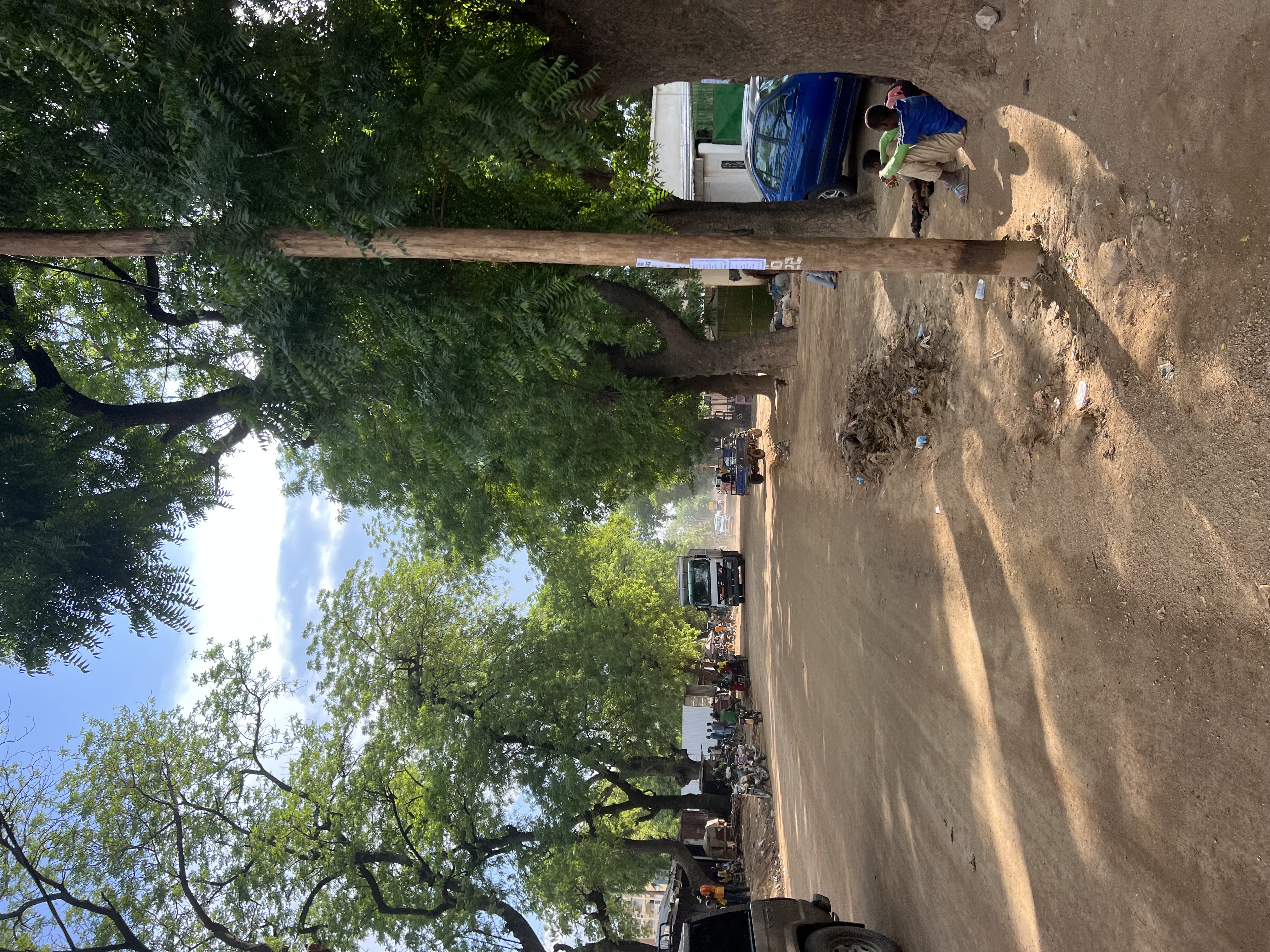
Horn und Tusk began with a simple frustration: information about conservation and conflict in Cameroon is often difficult to find, scattered across sources, or written only for specialists. We collect, organize, and explain what we can find, then compare it with what people tell us on the ground.
We focus on places where conservation, conflict, and daily life overlap—especially communities and wildlife populations that are easy to overlook. The aim is not to speak for people, but to make their circumstances harder to ignore and, when possible, direct practical support toward needs they identify themselves.
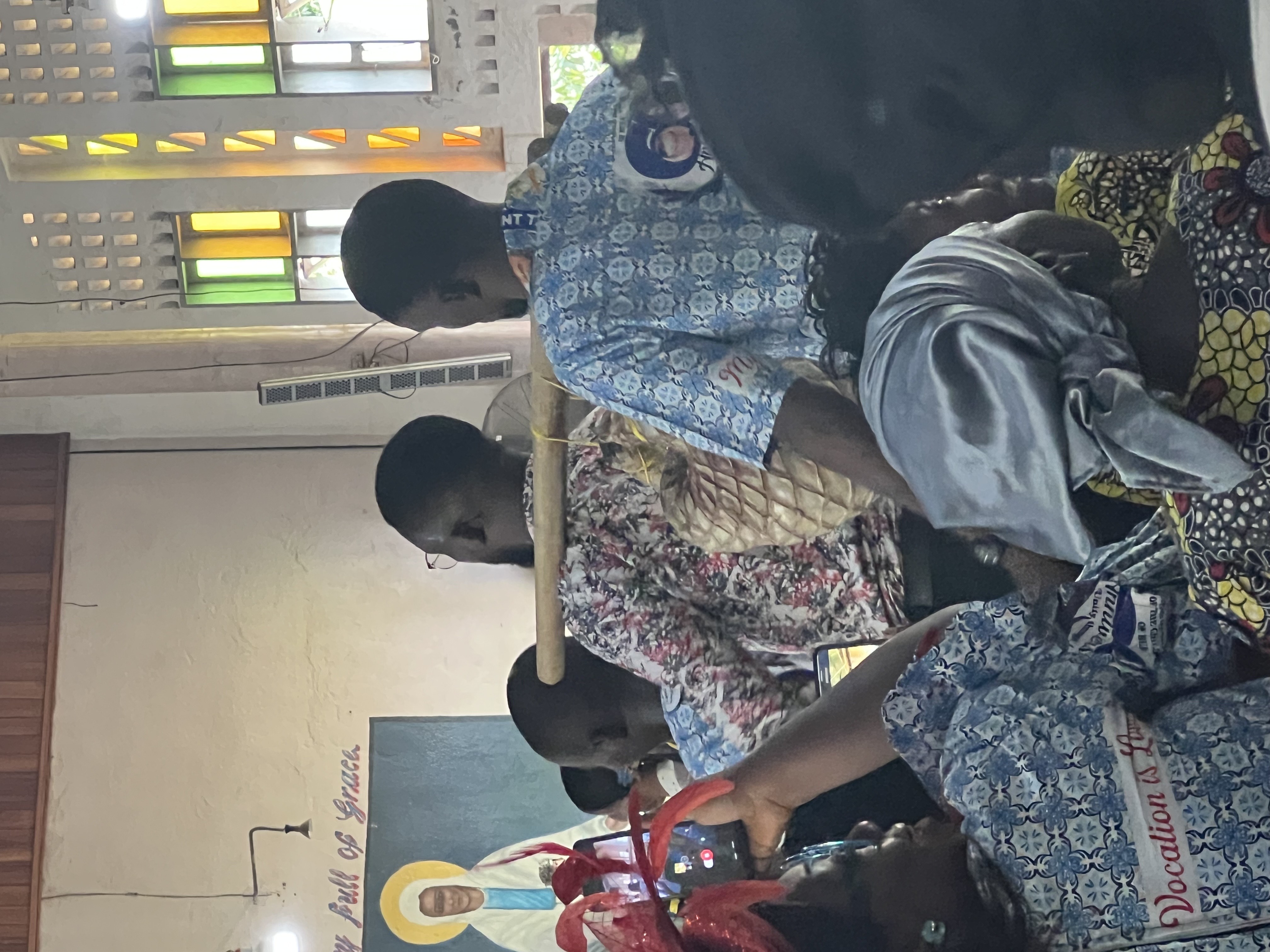
Cameroon is often called “Africa in Miniature” because so much of the continent’s geographic and ecological diversity can be found within its borders. The same is true of many of the pressures facing the region.
The country reaches from the Congo Basin rainforest to the Lake Chad Basin, with communities living through armed conflict, environmental loss, and economic strain. These problems cross borders, but Cameroon is not merely a test case for somewhere else. The people and wildlife here are reason enough to do the work.
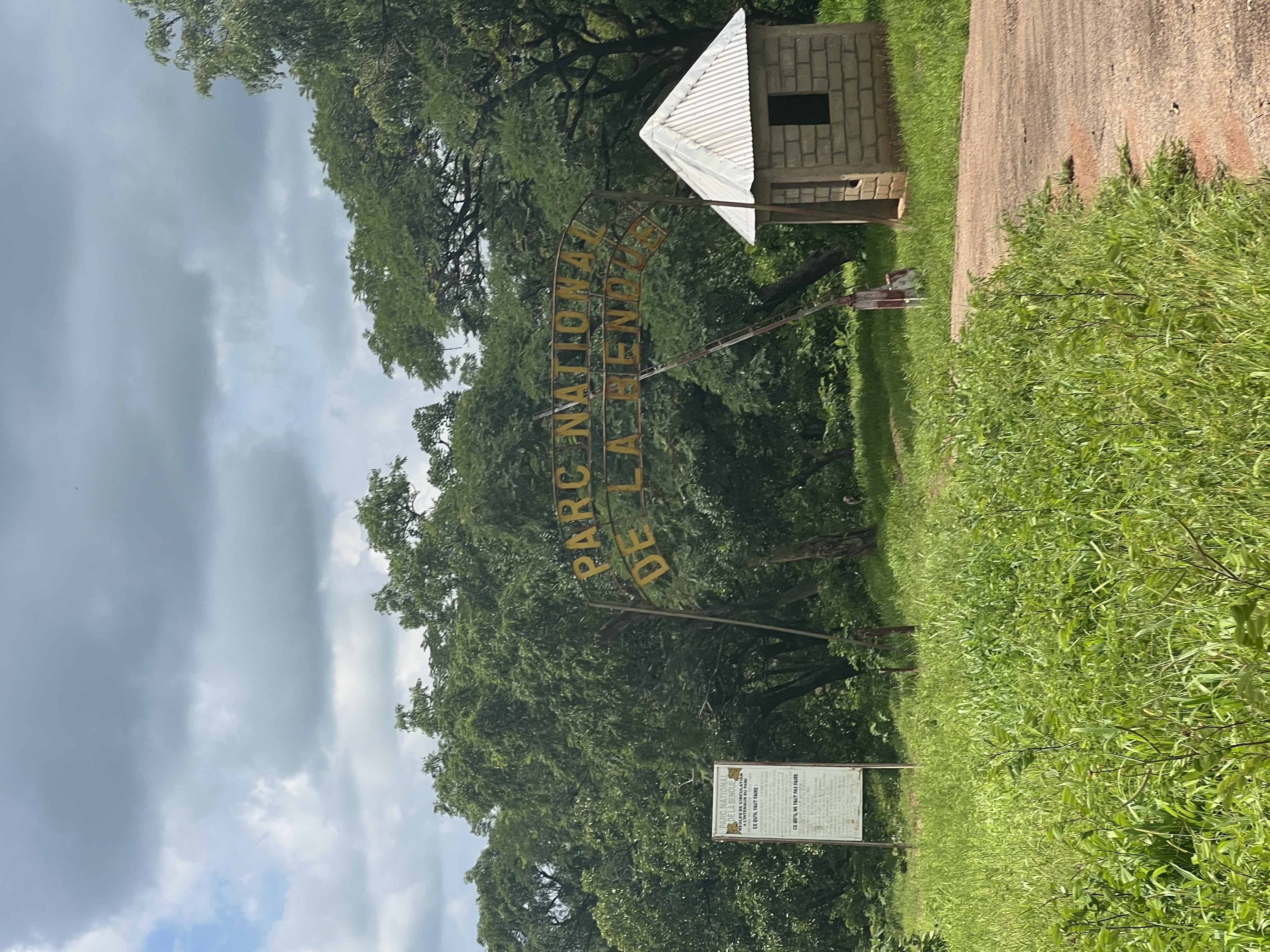
We would rather show an incomplete and difficult picture than make the situation look better than it is.
Public information about conservation and conflict is not always complete. Sometimes positive results are emphasized while failed approaches receive little attention. In other cases, access restrictions or government requirements limit what an organization is permitted to say. We have encountered both.
That does not mean every organization is acting in bad faith. An organization can do valuable work while still operating under restrictions, institutional pressure, or agreements that limit what it can say publicly. The result can nevertheless be an incomplete picture of what communities are experiencing and where current approaches are falling short.
Our responsibility is to distinguish between what we know, what we cannot confirm, what is working, and what is not. When an institution is doing useful work, we will say so. When its public account leaves out an important part of what communities are experiencing, we will say that too.
Horn und Tusk is still small. The immediate work is to keep building reliable public information and to support locally identified needs in places such as Bakingili. We will expand only when we can do so without losing that connection to the people involved.
Over time, the goal is to work in other overlooked parts of Cameroon, including the North West, South West, and Far North Regions. Success is not becoming the largest organization in the room. It is making neglected situations visible and following through where we are able to help.
We show the sources behind our claims, separate evidence from estimates, and say when information is missing. Progress should be reported alongside setbacks, limitations, and uncertainty.
Useful information should not require specialist training to understand. We explain the evidence in plain language without stripping away its complexity or keeping it behind institutional walls.
Every project should state what it is trying to accomplish, where the money goes, and how progress will be judged. If something does not work, that belongs in the record too.
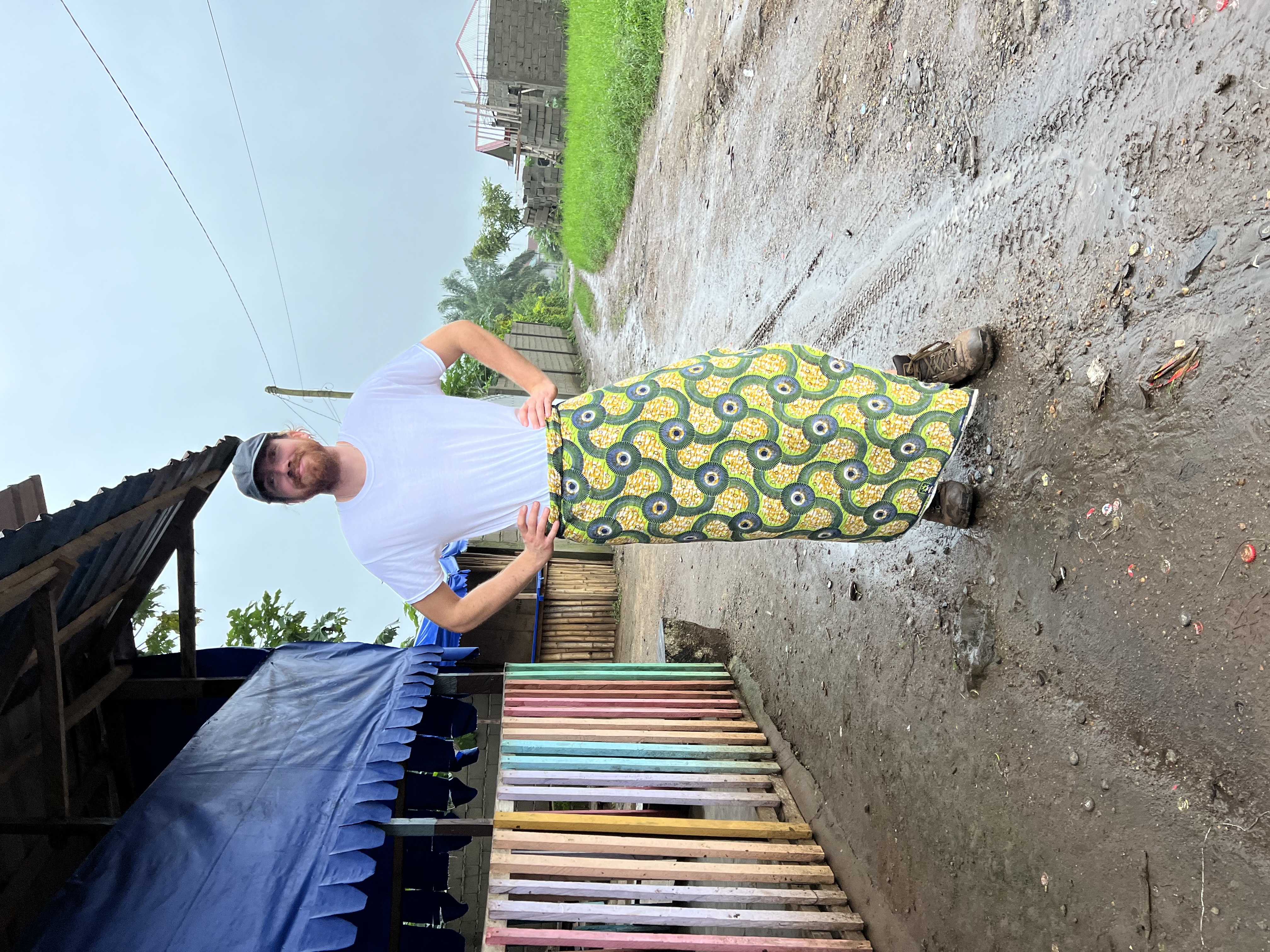
It is just me right now. That is the honest truth. I hope Horn und Tusk eventually becomes a team, but I would rather be clear about what the organization is today than pretend it is already something larger.
Horn und Tusk grew out of fieldwork in South West Region in 2023. My graduate work had taken me across conflict resolution, security, environmental management, and data analysis, but what stayed with me was not an academic case study. It was the people I met, the friendships I made, and the gap between how conditions were described from outside and what people were actually living through.
I did not start this because I believe I can arrive with answers for other people. I started it to put research, time, and whatever resources I can build behind work identified locally in South West—and, eventually, North West. I also want to challenge conservation reporting when it hides failure or overlooks animals and communities that are difficult to help. That challenge should be evidence-based: credit where work is helping, candor where it is not, and no pretending a project succeeded because its final report needs a positive ending.