 Horn und Tusk
A visual rating system for how each elephant population is doing — from stable to functionally gone. Each rating reflects population size, trend, and the severity of threats faced.
Ratings are assigned based on confirmed population estimates and known threats. Where data is absent or unverified, populations are marked Unconfirmed rather than assigned a false status.

Normal Tusk
500+ individualsThis population is stable or growing. The number of elephants is sufficient to sustain the population without immediate risk of collapse. Threats exist — no elephant population in Cameroon is truly safe — but this population is holding its own.
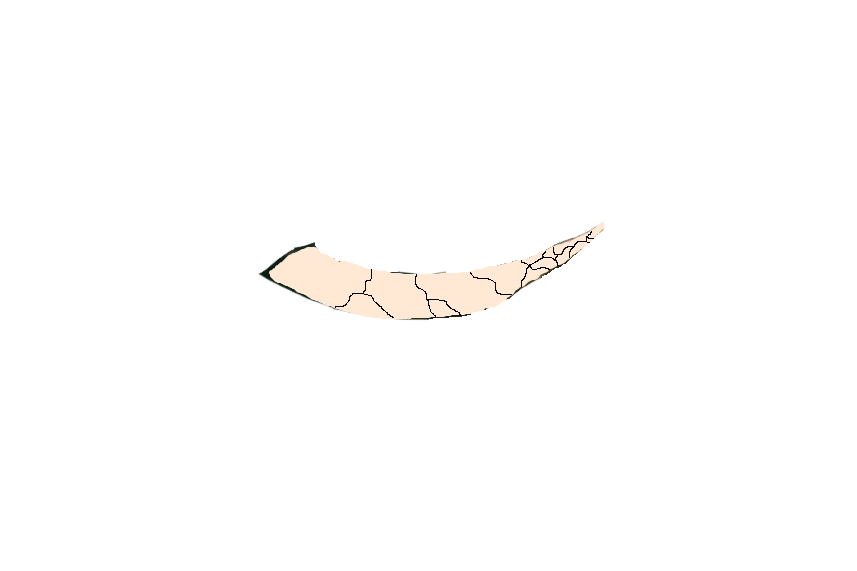
Cracked Tusk
200–499 individualsThis population is under pressure. Numbers have fallen to a level where continued decline is a serious concern, but the population is not yet in crisis. Without intervention or improved conditions, a Cracked Tusk population risks becoming a Blood Tusk population.
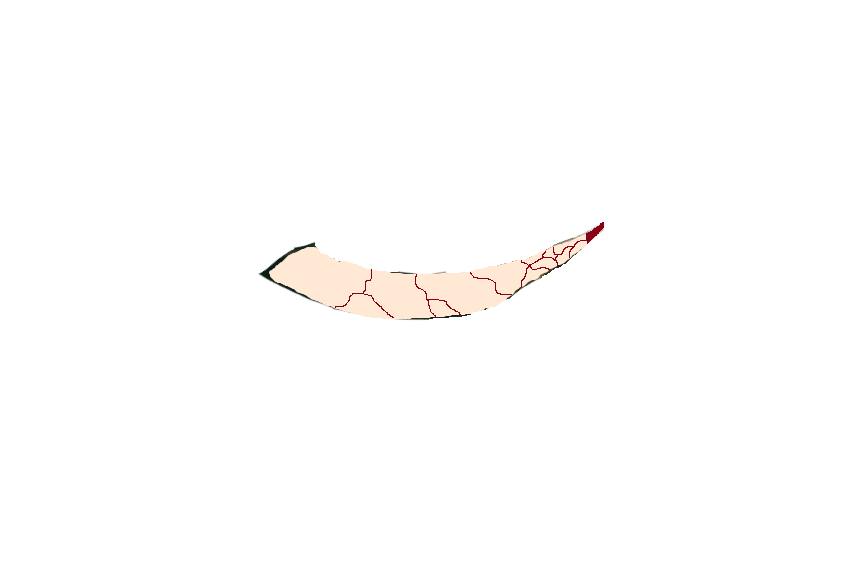
Blood Tusk
50–199 individualsThis population is in critical condition. Numbers are dangerously low and the combination of small population size and ongoing threats — poaching, habitat loss, human-wildlife conflict, or war — puts long-term survival at serious risk. Urgent attention is needed.
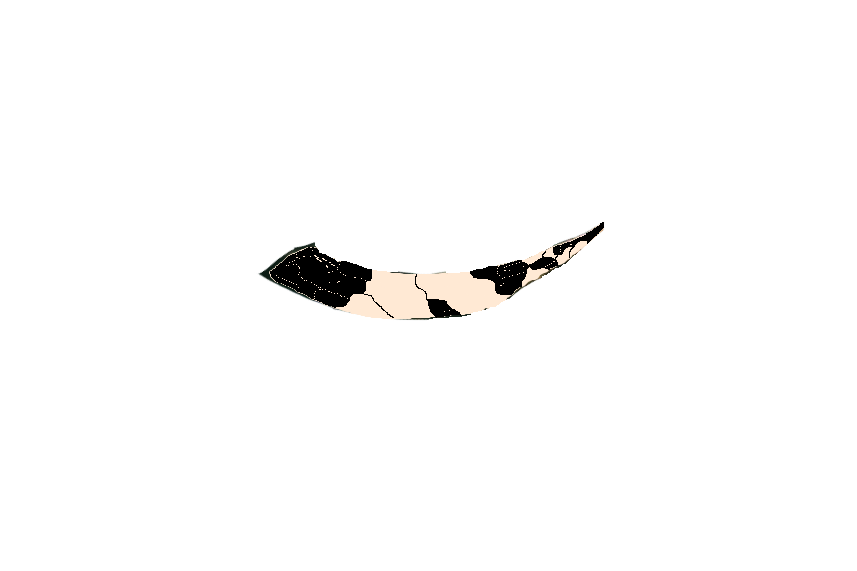
Shattered Tusk
Fewer than 50 individuals, or confirmed absentThis population is functionally gone. No elephants have been confirmed present, or the number remaining is so low that natural reproduction cannot sustain the population. In some cases this reflects confirmed extinction. In others, it reflects a population that has collapsed beyond recovery without significant intervention.
Unconfirmed
Presence indicated — population unknownThere is reason to believe elephants are present in this area, but no reliable population count exists. This is not an absence of elephants — it is an absence of data. Unconfirmed populations are not assigned a health rating because assigning one would misrepresent what is actually known. Honest uncertainty is better than a false number.